Step One
The Consultation
Before the ceremony, we will connect — by phone or video — to walk through everything together. This is a chance for you to ask questions, share your family's traditions and wishes, and for me to learn what matters most to you. Please note that in order to confirm a ceremony, I ask to speak directly with the parent or parents.

Step Two
Preparing for the Day
A little preparation goes a long way. Below you will find everything you need to gather in advance, as well as the honored roles your loved ones may be invited to hold during the ceremony.
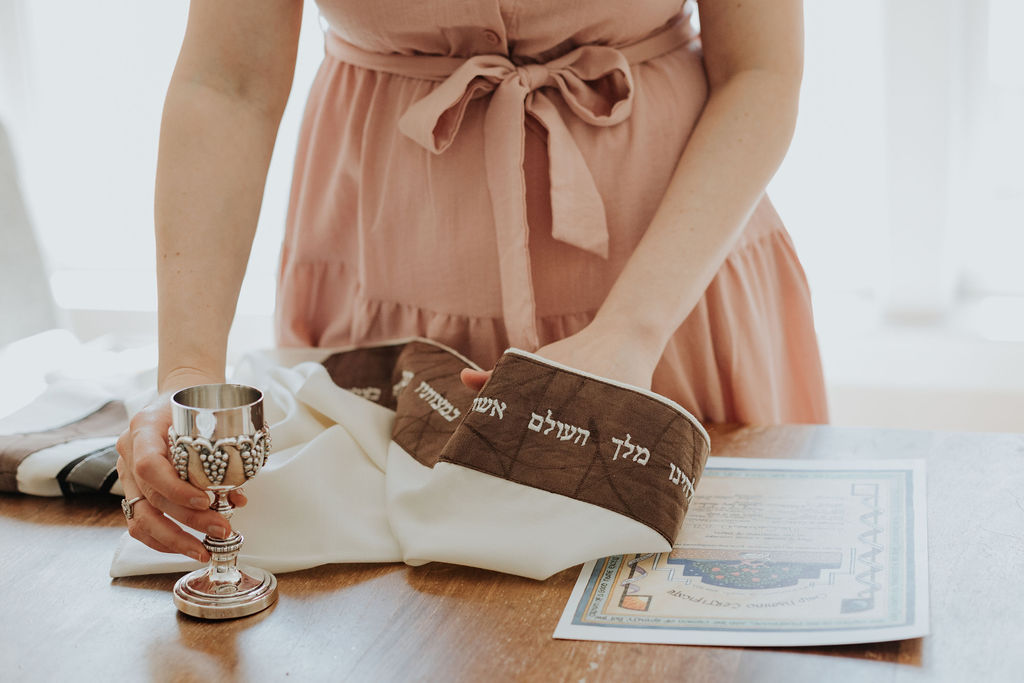
Supply List
- A sturdy table covered with a tablecloth if desired
- 2 chairs
- Good overhead light
- An additional small table (not needed if the main table is larger than a card table)
- A small wastebasket with a plastic bag liner
- 50 — 3x3 individually wrapped gauze pads
- A large tube of Vaseline
- A disposable diaper and diaper wipes
- 3 burp cloths
- A standard bed pillow with a pillowcase
- A Kiddush cup
- An uncut challah
- Kosher grape juice or sweet wine
Optional
- Photographs of the person the baby will be named after — it is nice to have these out on the table
- Kippot (yarmulkes)
- Hiddur Mitzvah — beautifying the ceremony with rose petals, meaningful heirlooms, or other special touches
- Food for the Seudat Mitzvah — it is customary to have a festive meal after the ceremony. It does not need to be fancy!
Honored Roles
- The Parents — Parents may read or say something prior to the official naming of the baby, including the thought and meaning behind the baby's English and Hebrew names.
- Sandek — The most honored role at a Brit. The Sandek comforts the baby while the Brit Milah is performed. Some families give this role to a grandparent, others to a rabbi or close friend.
- Kvatter & Kvaterin — The honored people who carry the infant into the room where the Brit Milah takes place. Some families choose to have more than one Kvaterin perform this mitzvah.
- Prayers — The Kiddush and Hamotzi are recited during the ceremony. Friends or family are welcome to lead these blessings. If there are siblings who know the prayers, it can be especially meaningful to have them say Hamotzi at the end of the ceremony.
- Readers — Any additional individuals you wish to honor may be included with a reading or blessing of your choosing.
- Siblings — For younger siblings or those who would prefer not to read, we can think together about personalized ways they can participate and feel included.
Step Three
The Hebrew Name
Choosing a name is one of the most meaningful parts of the ceremony.
The giving of a Hebrew name during the Brit is a sacred moment — it connects your child to Jewish tradition, to family history, and to the community they are entering. It is the name that will be used when he is called to the Torah as a Bar Mitzvah, and the name that will be used at future celebrations throughout his life.
There are many ways to choose a Hebrew name. Some traditions include:
- ✦Giving the child the same name as a relative, or a name sharing the same first letter as a relative's Hebrew or English name. For Ashkenazic Jews this is typically a deceased relative; for Sephardic Jews, a living one.
- ✦Choosing a Hebrew name that sounds similar to the child's secular name.
- ✦Selecting a Hebrew name because you love its meaning, or because the translation holds special significance to your family.
Step Four
The Ceremony Itself
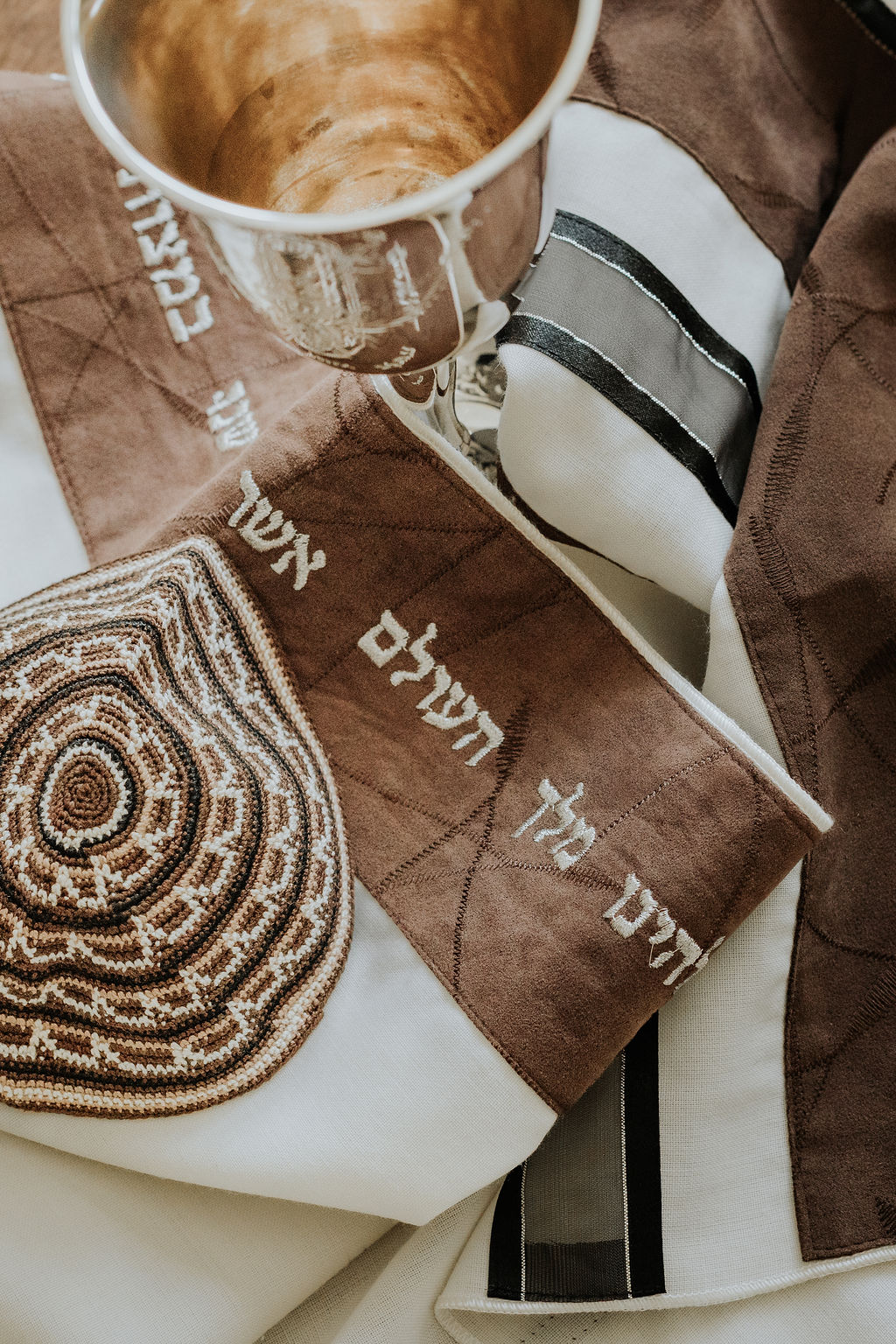
The Brit Milah is both a medical procedure and a sacred ritual. I conduct it with care, calm, and intention — honoring both dimensions equally.
I work closely with families to craft a ceremony that includes the people you wish to honor and readings that are meaningful to you. If you have special individuals you would like to recognize, or particular readings you would like to include, please let me know and we will find a role that is fitting for each one.
Welcoming the Baby
The ceremony begins with guests rising to welcome the child as he is carried into the room by the Kvaterin. A few words are shared as the baby is placed on the Chair of Elijah.
The Brit Milah
The circumcision is then performed. As a board-certified OB-GYN, I bring both medical precision and a calm, unhurried presence to this moment.
The Hebrew Name
In the second part of the ceremony, the baby receives his Hebrew name. It is customary at this moment to share the origins and meaning of the name with those gathered.
Closing Blessings & Celebration
The ceremony concludes with several blessings and the Hamotzi, opening the way for the celebratory meal — the Seudat Mitzvah — that follows.
Step One
The Consultation
Before the ceremony, we will connect — by phone or video — to walk through everything together. This is a chance for you to ask questions, share your family's traditions and wishes, and for me to learn what matters most to you. Please note that in order to confirm a ceremony, I ask to speak directly with the parent or parents.
Step Two
Preparing for the Day
The Brit Bat requires no medical preparation. What matters most is gathering the people you love and deciding how you would like to honor your daughter's arrival.
What to Prepare
- A sturdy table covered with a tablecloth if desired
- 2 chairs
- 3 burp cloths
- A standard bed pillow with a pillowcase
- A Kiddush cup
- An uncut challah
- Kosher grape juice or sweet wine
Optional
- Photographs of the person the baby will be named after — it is nice to have these out on the table
- Kippot (yarmulkes)
- Hiddur Mitzvah — beautifying the ceremony with rose petals, meaningful heirlooms, or other special touches
- Food for the Seudat Mitzvah — it is customary to have a festive meal after the ceremony. It does not need to be fancy!
Honored Roles
- The Parents — Parents may read or say something prior to the official naming of the baby, including the thought and meaning behind the baby's English and Hebrew names.
- Sandek — The Sandek holds and comforts the baby during part of the ceremony. This is a deeply honored role, often given to a grandparent or close family friend.
- Kvatter & Kvaterin — The honored people who carry the infant into the room. Some families choose to have more than one Kvaterin perform this mitzvah.
- Prayers — The Kiddush and Hamotzi are recited during the ceremony. Friends or family are welcome to lead these blessings. Siblings who know the prayers may find it especially meaningful to say Hamotzi at the end of the ceremony.
- Readers — Any additional individuals you wish to honor may be included with a reading or blessing of your choosing.
- Siblings — For younger siblings or those who would prefer not to read, we can think together about personalized ways they can participate and feel included.
Step Three
The Hebrew Name
The giving of a name is the heart of the Brit Bat.
For a daughter, the Hebrew name is the centerpiece of the ceremony — the moment she is welcomed into the Jewish people and her name is spoken aloud for the first time in community. It is the name that will be used when she is called to the Torah as a Bat Mitzvah, and the name that will be used at future celebrations throughout her life.
There are many ways to choose a Hebrew name. Some traditions include:
- ✦Giving the child the same name as a relative, or a name sharing the same first letter as a relative's Hebrew or English name. For Ashkenazic Jews this is typically a deceased relative; for Sephardic Jews, a living one.
- ✦Choosing a Hebrew name that sounds similar to the child's secular name.
- ✦Selecting a Hebrew name because you love its meaning, or because the translation holds special significance to your family.
Step Four
The Ceremony Itself
The Brit Bat is a fully spiritual celebration — warm, personal, and shaped around your family's connection to Jewish tradition. Every ceremony I lead is unique.
I work closely with families to craft a ceremony that includes the people you wish to honor and readings that are meaningful to you. If you have special individuals you would like to recognize, or particular readings you would like to include, please let me know and we will find a role that is fitting for each one.
Welcoming the Baby
The ceremony begins with guests rising to welcome the child as she is carried into the room by the Kvaterin. A few words are shared as the baby is placed on the Chair of Elijah and held by the Sandek.
The Hebrew Name
The baby receives her Hebrew name. It is customary at this moment to share the origins and meaning of the name with those gathered.
Closing Blessings & Celebration
The ceremony concludes with several blessings and the Hamotzi, opening the way for the celebratory meal — the Seudat Mitzvah — that follows.
Ready to begin planning your family's ceremony?
Get in Touch